Services
Visualization strategy
Build a sustainable visual foundation that strengthens your brand, makes your content production scalable, and impresses the people who matter.
Contact us
Contact us

Your visual strategy partner
The specialist in visual strategies that not only work but also make an impression.
A visual strategy determines how, when, and for whom you deploy visual tools, from 3D animation and VR to interactive visualisations, so that each tool contributes to a concrete communication goal.
Do you have a complex message that needs to be explained clearly? Or a product, project, or brand story that shouldn't just be understood, but also felt? At C4Real, we help organisations build a sustainable visual foundation based on business goals and communication needs. Together, we determine which tools are deployed when for maximum impact. Not only to ensure everything is consistent and scalable, but also to make an impression on the people who matter.
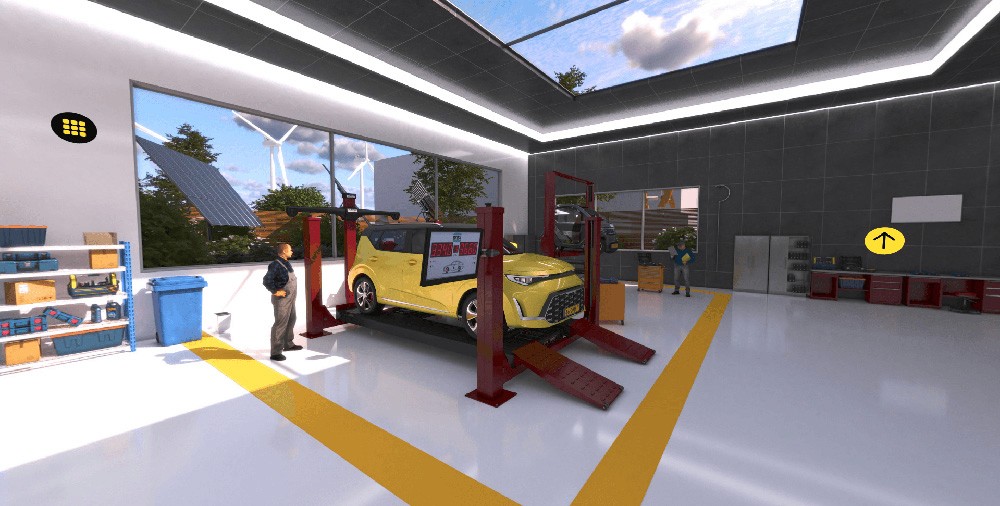
In practice, that means: the animation that convinces a tender committee while competitors only send in a datasheet. The VR experience that gets 1,700 garage owners moving on a topic they weren't yet losing sleep over. The exhibition stand that people stop for. A good visual strategy determines in advance which of those experiences are most valuable for your organisation, and how you realise them in a scalable way.
Free consultation
Free consultation

Companies we have successfully helped


Why a visual strategy is essential
Prevent fragmentation. Build consistency, impact and return.
Many organisations produce visual content on a project-by-project basis: an animation here, a video there, an exhibition presentation when the deadline approaches. The result is fragmented material that does not align, budgets that are drawn upon again and again, and a brand experience that varies per channel.
Working from a visual strategy reverses this order. You determine in advance which messages are central, which tools fit, and how these tools align with each other. This creates cohesion: a 3D animation used at an exhibition also works on the website, in a sales pitch, and as the basis for an interactive configurator. The same story, at any time, on any channel. The result is more efficient content production, lower costs in the long term, and a higher return on every visual investment.
Contact us
Contact us
Your visual strategy partner
What C4Real can mean for you
Reliable partner
relief throughout the entire process
proven track record
sparring partner for complex challenges
award-winning agency
Do you have a complex message that needs to be explained clearly? Or a product, project, or brand story that must be communicated consistently and recognisably? A visual strategy offers the perfect foundation for this. At C4Real, we help organisations develop a sustainable visual base. From analysis and concept to implementation and further development, ensuring that all visual communication is coherent, scalable, and effectively deployed.
Contact us
Contact us

Cases
Discover our most successful
visual strategy projects










Success stories
What our customers say about us








Frequently asked questions
Answers to the most frequently asked
questions about visual strategy
What is a visual strategy?
A visual strategy is the plan that determines how, when, and for whom you deploy visual assets, ensuring that every asset contributes to a tangible communication goal. It aligns with your business goals and the needs of your target audiences, establishing guidelines for imagery, style, and tone. This prevents fragmented, ad-hoc projects and builds a consistent visual foundation on which you can scale and develop further. It is not just about efficiency: a good visual strategy also determines the moments when visual communication needs to make an impact and which format is most effective for that purpose.
When do you need a visual strategy?
A visual strategy makes sense as soon as an organisation deploys multiple visual assets simultaneously for different target groups or channels. If a 3D animation for a trade fair has nothing to do with the animation on the website, and that in turn has nothing to do with the material for a tender, then there is no strategy, only a collection of separate projects. A visual strategy brings those projects under one roof: one visual language, one story, one foundation on which every new asset can build. Most organisations only recognise the need when costs start to mount, brand experience differs per channel, or an important project fails to have the desired effect.
What is the difference between a visual strategy and an individual animation or VR project?
A single animation or VR project solves one communication issue. A visual strategy determines the whole picture: what the issues are, which tools are most effective for them, and how those tools connect with each other. The difference is that with a visual strategy you invest in a foundation on which multiple projects can build, rather than starting every project from scratch. This makes content production faster, cheaper, and more consistent.
Is a visual strategy only for large companies?
No. On the contrary, medium-sized companies achieve quick results by working modularly and consistently. A visual strategy does not have to be extensive to be valuable. C4Real works with a menu of solution levels, so there is always an approach that fits the size and budget of the organisation.
How do you determine which visual assets suit your organisation?
That begins with the communication challenge, not the format. C4Real first analyses who the message is intended for, at what point in the decision-making process, and what the recipient needs to understand, feel, or do. Only then does the choice of medium follow: a 3D animation for explaining to a broad audience, a VR experience for immersion and behavioural change, an interactive visualisation for comparison and configuration, or a combination that works at multiple stages in the sales process. That order—first the challenge, then the format—is what distinguishes a visual strategy from a standalone production job.
What does a visual strategy actually deliver?
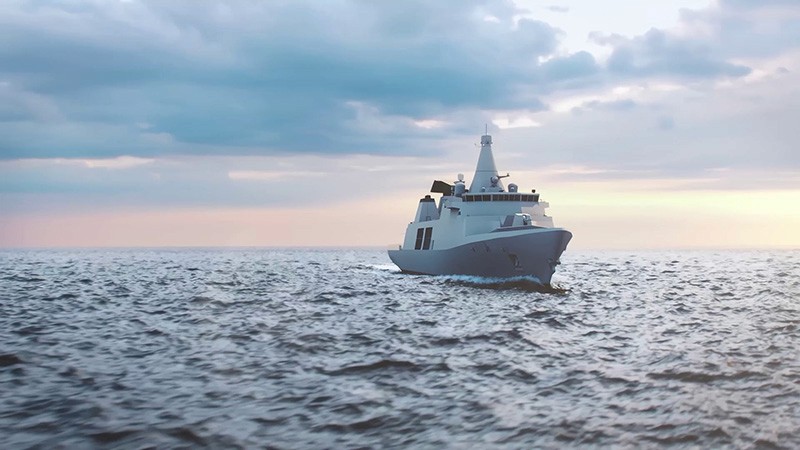
Three things. Consistency: one recognisable visual language across all teams, channels and markets, so that every piece of communication contributes to the same brand. Efficiency: modular assets and clear guidelines make it possible to produce new content faster and cheaper. And impact: the right choice at the right moment. Thanks in part to a C4Real animation, Thales won a tender with the Royal Navy. Achmea reduced the onboarding time for a new IT system from weeks to hours with a VR experience. OOMT reached almost the entire mobility sector with a single VR campaign. All of those results started with a clear strategic choice about which tool to use and when.