How do you turn a list of technical specifications into a story a customer understands?
From specifications to story



Short answer: Start with the customer's problem, not the specifications. First, zoom out to the bigger picture, choose a situation the customer recognises themselves in, and show what your product does differently in that context. The specifications are still necessary, but only come afterwards, as evidence for those who want to delve deeper.
A technical company knows its product inside out. That is a strength and, at the same time, a pitfall. The conversation almost automatically begins with the features: turnaround time, accuracy, materials. For a customer, those are facts without context. They only gain meaning once they see which problem the product solves. This article describes how to make that transition, using two projects for Thales as examples.


Case study in the spotlight
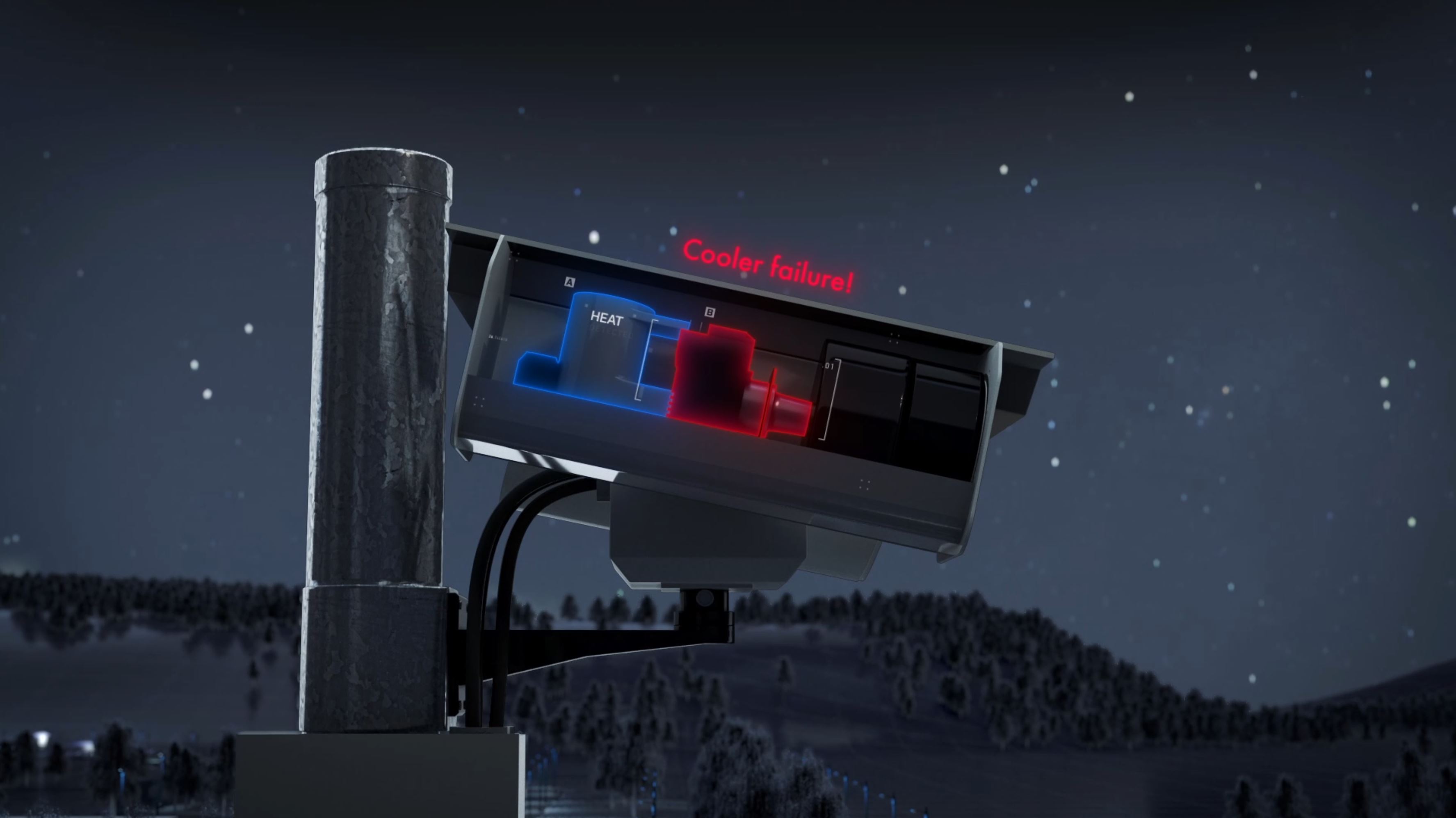
Thales Cryogenics: Cryogenic cooler for infrared sensors explained using 3D animation
The challenge. Thales Cryogenics developed a new cryogenic cooler for infrared sensors in security cameras. The question was how to explain such a new technology and make the benefits visible to a highly technical market.
The approach. A 3D animation that places the innovation in a high-urgency situation: a nuclear power plant in the dark, with light, effects, and audio that build tension. The precise pulse tube technology is explained in the middle of the animation, and the animation concludes with the branding of Thales Cryogenics.
The result. Mark Stienen, Marketing & Sales Manager at Thales Group: "In addition to substantive knowledge and skill, they also ensure thorough monitoring and progress of the process, resulting in a great end result today."